Service
What is pelvic health physiotherapy?
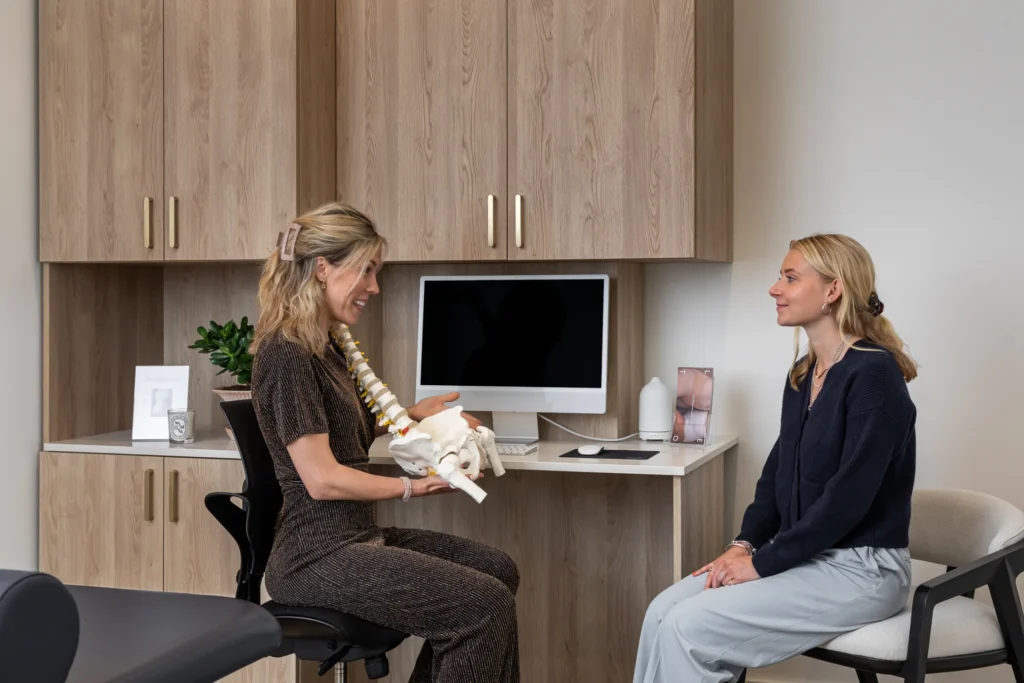
Pelvic health physiotherapy focuses on the muscles, joints and nerves of the pelvis. It supports problems affecting the bladder, bowel, pelvic floor and reproductive health, from pregnancy and birth through to menopause and beyond. Several of our physiotherapists focus solely on pelvic health, each with their own areas of interest and expertise.
Depending on your symptoms, your physiotherapist may offer:
- Hands-on (manual) therapy to release tension, improve movement and support pelvic floor muscle training
- Real-time ultrasound to help you engage and train your pelvic floor correctly
- A personalised exercise programme, including breathing, relaxation and pelvic floor down-training techniques
- Bladder retraining and advice on lifestyle, gut, bladder and bowel habits
- Guidance on aids such as weights, support pessaries, electrical stimulation or biofeedback
- Exercises to relieve pain and help prevent it returning or getting worse
- Referral for pain management or further medical advice, where appropriate
Signs you could benefit from specialist support
You do not need a diagnosis to get in touch. Many women come to us with symptoms such as:
- Leaking urine when you cough, sneeze, laugh, run or lift
- Needing the toilet often, including several times a night
- A feeling of heaviness or dragging in the vagina, or difficulty keeping a tampon in
- Pain during or after sex
- Ongoing pelvic, hip or lower back pain
- Recurring urinary tract infections
- Changes to bladder or vaginal comfort around the menopause
- Tightness or discomfort from a caesarean or perineal scar
- Concerns about your tummy muscles after pregnancy

Learn
Support for every stage of life
Pregnancy care and birth preparation
Postnatal recovery and your postnatal check
C-section recovery and scar therapy
Menopause support
Conditions We Help With
Urinary and bowel incontinence
Bladder and bowel leakage is common after pregnancy and childbirth, and as women get older. It is often something you do not have to live with permanently. We look for the underlying cause and help with stress incontinence (leaking when you cough, sneeze, laugh or exercise), urge incontinence and bowel control problems.
Pelvic pain
Pelvic pain shows up differently for every woman, from pain linked to your cycle to pain with no obvious cause. We work to understand what is driving it and build a plan. We support women living with endometriosis-related pain, chronic or unexplained pelvic pain, and pain linked to the menstrual cycle.
Diastasis recti (DRA)
Some separation of the tummy muscles during pregnancy is normal, but for some women the gap does not fully close afterwards. We assess diastasis rectus abdominis (DRA), help with reduced core strength or stability after pregnancy, and guide a safe return to exercise after birth.
Painful sex (dyspareunia)
Pain during sex can follow childbirth, menopause or surgery, or come from muscle tension or tightness. It is more common than many people realise, and it is something we can help you with. We support women dealing with pain during intercourse, tension affecting sexual function, and changes to intimacy after breast cancer treatment.
Pelvic organ prolapse
Prolapse happens when the pelvic organs shift because of reduced support. It is common, especially after childbirth or around the menopause. We help women manage a feeling of heaviness or pressure in the vagina, difficulty keeping a tampon in, and menopause-related dryness, looseness or mild prolapse symptoms. Where it suits you, we can also talk through support options such as pessaries.
Overactive bladder
An overactive bladder causes frequent or urgent trips to the toilet, which can disrupt sleep and daily life. We help with night-time urination (nocturia), urgency and frequency, and recurring urinary tract infections, using approaches such as bladder retraining and pelvic floor work.
Perineal tears and scars
Scarring from a perineal tear or episiotomy can stay tight or uncomfortable long after it has healed. We treat perineal tear and episiotomy scars and ongoing scar discomfort, even years later. Caesarean scars are covered in our C-section recovery care above.
Aches, pains and returning to exercise
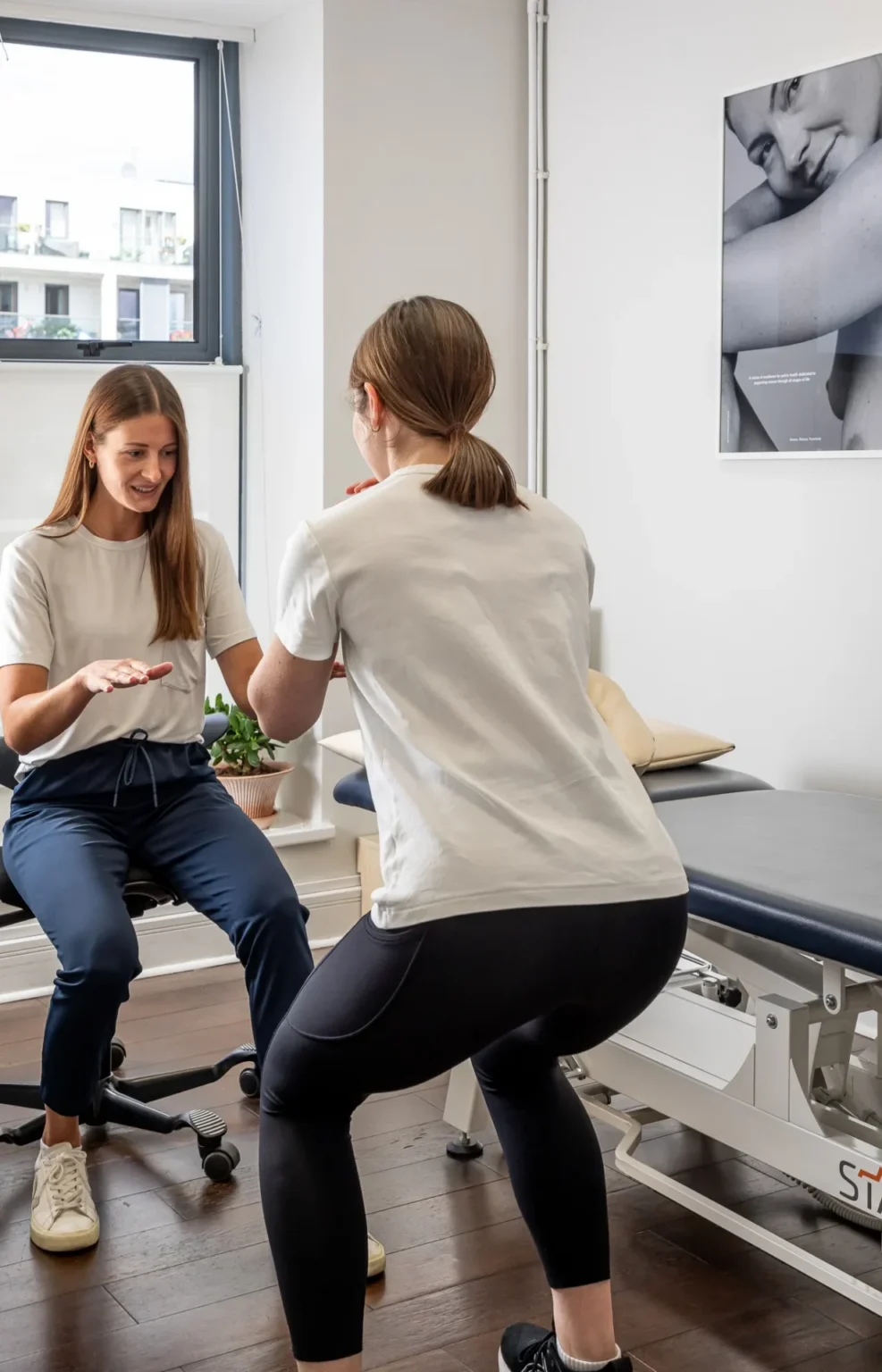
Your pelvic floor and core affect how your whole body moves. We support persistent back, hip or groin pain, and help you return to sport or exercise after pregnancy or injury. Our physiotherapy, Clinical Pilates and Clinical Strength & Conditioning teams can build on your pelvic health plan, and a biomechanical screening can show how you move.
The Beyond Health Difference
What to Expect at Your First Appointment
We start by listening: what you are noticing, when it started and what you would like to change. We then talk through your medical history, including pregnancy and birth where relevant, and look at your posture, how you move and your muscle strength.
If an internal pelvic floor examination would help, we will explain why first, and it only goes ahead if you are happy for it to. You can ask questions or ask us to stop at any point.
You leave with a clear explanation of what is going on and a plan, which may include manual therapy, ultrasound-guided pelvic floor training, exercises and practical advice. If another specialist would help, we will tell you. You can read more on our new patients page and see our pricing.
Your Specialist Team
Where to find us
Frequently asked questions
Do I need to have had a baby to see a pelvic health physiotherapist?
When should I book my postnatal check?
Is leaking after having a baby something I just have to accept?
Will I need an internal examination?
Is pelvic floor training just squeezing more?
Can I keep exercising?
Get Started
Book Your Appointment