Service
What is pelvic health physiotherapy?
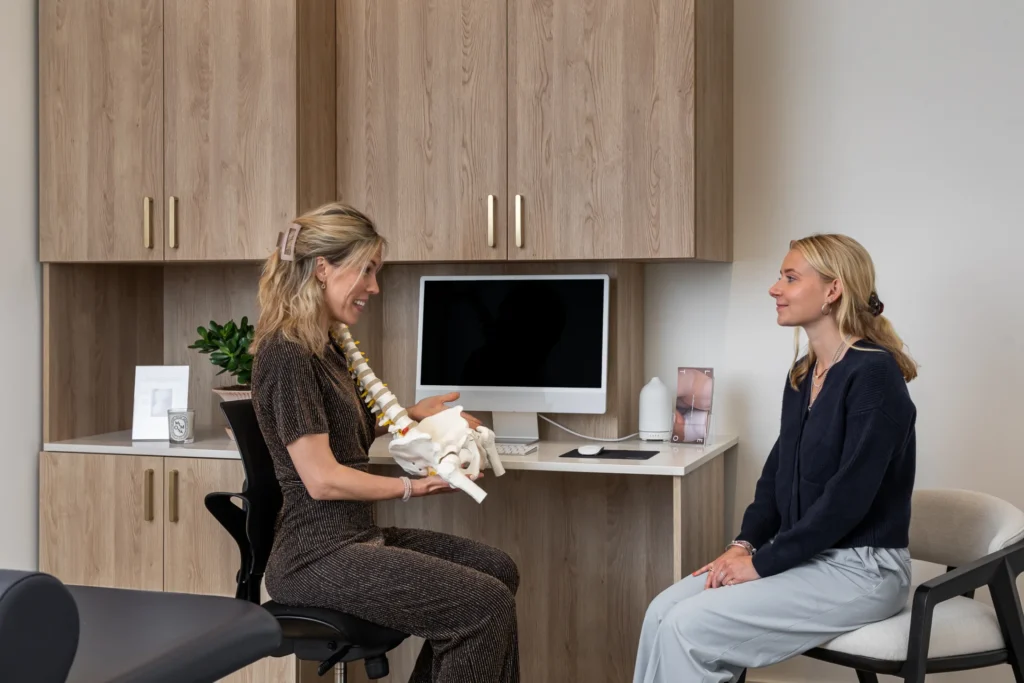
Pelvic health physiotherapy focuses on the muscles, joints and nerves of the pelvis. It supports problems affecting the bladder, bowel, pelvic floor and reproductive health, from pregnancy and birth through to menopause and beyond. Several of our physiotherapists focus solely on pelvic health, each with their own areas of interest and expertise.
Pelvic health concerns can involve more than muscle weakness. Some women experience pelvic floor muscles that are overly tight, difficult to relax or not coordinating effectively. These issues can contribute to pelvic pain, discomfort during sex, bladder and bowel symptoms, and difficulty returning to exercise. Treatment is tailored to your symptoms and may focus on improving strength, relaxation, coordination or movement, depending on what your assessment identifies.
Depending on your symptoms, your physiotherapist may offer:
- Hands-on (manual) therapy to release tension, improve movement and support pelvic floor rehabilitation.
- Real-time ultrasound to help you engage and train your pelvic floor correctly.
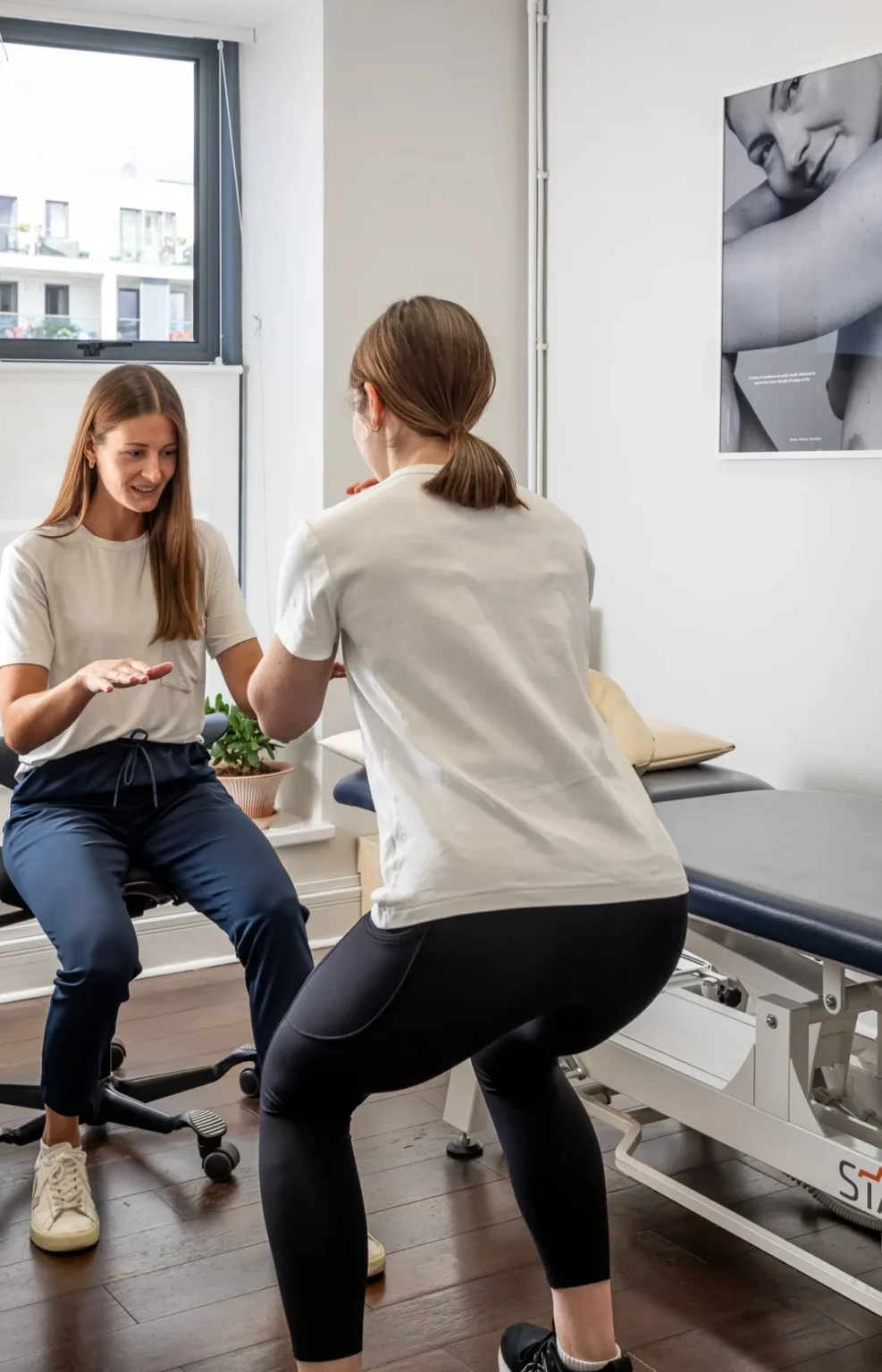
- A personalised exercise programme to relieve pain, improve function and support your recovery, including strengthening, breathing, relaxation and pelvic floor down-training techniques.
- Bladder and bowel retraining, with advice on lifestyle, fluid intake, diet and toilet habits.
- Guidance on aids such as vaginal weights (cones), support pessaries, electrical stimulation or biofeedback, where appropriate.
- Referral for pain management, further medical advice or to other specialist professionals, where appropriate.

Learn
Signs you could benefit from specialist support
You do not need a diagnosis to get in touch. Many women come to us with symptoms such as:
- Leaking urine when you cough, sneeze, laugh, run or lift
- Needing the toilet often, experiencing sudden urgency or waking several times at night to urinate
- Constipation, straining, difficulty emptying your bowels or a feeling of incomplete emptying
- Bowel urgency, difficulty controlling wind or bowel leakage
- A feeling of heaviness or dragging in the vagina, or difficulty keeping a tampon in
- Ongoing or recurring pelvic pain, including painful periods or pain associated with conditions such as endometriosis
- Pain during or after sex, vulval discomfort or difficulty with penetration
- Pelvic floor tightness, discomfort or difficulty relaxing the muscles
- Pelvic girdle pain during or after pregnancy, including pain at the front of the pelvis (symphysis pubis dysfunction)
- Tailbone (coccyx) pain, for example when sitting or after birth
- Recurring urinary symptoms, or bladder symptoms that continue after urinary tract infections have been treated
- Changes to bladder or vaginal comfort around the menopause
- Bladder, bowel, vaginal or sexual changes after cancer surgery, radiotherapy, chemotherapy or hormone therapy
- Shoulder stiffness, cording or scar tightness after breast surgery
- Swelling in an arm or leg after cancer treatment (lymphoedema)
- Tightness or discomfort from a caesarean, perineal or surgical scar
- Concerns about your tummy muscles, core strength or returning to exercise after pregnancy or cancer treatment
If any of this sounds familiar, you do not have to put up with it quietly. Our specialist pelvic health physiotherapists can help you understand your symptoms and explore appropriate treatment options, whether your symptoms are mild or more severe.
When to see your GP first?
Please contact your GP promptly if you notice blood in your urine or stool, unexplained vaginal bleeding (including any bleeding after the menopause), a persistent change in your bowel habit, unexplained weight loss, or symptoms of a urinary tract infection such as burning, fever or cloudy urine. If you have had cancer, please also tell your oncology team about any new or changing symptoms. We can still see you alongside your medical care.

Learn
Support for every stage of life
Pregnancy care and birth preparation
Pregnancy brings changes to your posture, pelvic floor, tummy muscles and joints. Our pelvic health physiotherapists can see you at any stage of pregnancy to help you stay comfortable, active and prepared for birth. We help with pelvic girdle pain (including pain at the front of the pelvis), back and hip pain, bladder leakage or urgency, and changes to your pelvic floor and tummy muscles. We can also guide you on pelvic floor exercises, staying active safely, perineal massage, and preparing your body for birth and recovery. We also support women who are trying to conceive or who have experienced pregnancy loss, at a pace that feels right for them.
Postnatal recovery and your postnatal check
C-section recovery and scar therapy
Menopause support
Hormonal changes around the menopause can affect your bladder, pelvic floor, joints and comfort. Common concerns include leaking, urgency, vaginal dryness or laxity, sexual discomfort and a feeling of heaviness. We assess what is going on and build a programme around your symptoms, which may include pelvic floor training, exercise and advice on daily habits. Symptoms often begin during the perimenopause, sometimes several years before your periods stop, so you do not need to wait until the menopause to get support. We can also advise on strength and impact exercise to support bone health, working alongside our Clinical Pilates and Clinical Strength & Conditioning teams.
Pelvic pain and sexual health support
Pelvic pain, painful periods and pain during or after sex can affect women at any age. We help you understand what may be contributing to your symptoms and build a plan to reduce pain and help you feel more comfortable in everyday life and intimacy.
Cancer recovery and rehabilitation
Cancer treatment, including treatment for breast and gynaecological cancers, can affect your bladder, bowel, pelvic floor, sexual comfort and confidence in exercise. We support you before, during and after treatment, working alongside your oncology team.
Conditions We Help With
Urinary and bowel incontinence
Bladder and bowel leakage can occur after pregnancy and childbirth, but can also affect women at other stages of life. It is common, and support is available. We assess the factors contributing to your symptoms and help with stress urinary incontinence (leaking when you cough, sneeze, laugh or exercise), urgency-related leakage and bowel control difficulties.
Treatment may include pelvic floor strengthening or relaxation, bladder or bowel retraining, biofeedback, coordination exercises and practical education and advice tailored to your symptoms. We also help you understand when further medical assessment may be appropriate.
Functional bowel conditions
Bowel symptoms can affect everyday comfort, confidence and quality of life. Some women experience constipation, difficulty emptying their bowels, excessive straining, a feeling of incomplete emptying or difficulty coordinating the pelvic floor muscles during bowel movements. Others experience urgency or difficulty controlling wind or bowel movements.
Functional bowel conditions, including irritable bowel syndrome (IBS), can involve symptoms such as abdominal discomfort, bloating and changes in bowel habits. Pelvic floor dysfunction may contribute to some bowel symptoms, although it is not the cause in every case.
Our pelvic health physiotherapists assess whether pelvic floor function, coordination or relaxation may be contributing to your symptoms. Depending on your individual needs, treatment may include pelvic floor retraining, breathing and relaxation techniques, toileting advice and strategies to support more comfortable bowel habits. Where appropriate, we can also recommend further medical assessment or work alongside your wider healthcare team.
Pelvic pain and chronic pelvic pain
Pelvic pain can affect women at any stage of life. It may be persistent or recurring, or linked to particular activities, periods or sex. It can have many contributing factors, including pelvic floor muscle dysfunction, musculoskeletal problems and conditions such as endometriosis or adenomyosis.
For some women, pain continues even when there is no clear underlying diagnosis. Our specialist pelvic health physiotherapists take a personalised approach to understanding your symptoms and how they affect your everyday life.
Depending on your assessment, treatment may include pelvic floor relaxation and coordination, manual therapy, breathing techniques, movement and exercise strategies, and advice on managing symptoms. We support women experiencing chronic or recurring pelvic pain, painful periods, pain during or after sex, tailbone (coccyx) pain and discomfort affecting the pelvis, hips or lower back.
Diastasis rectus abdominis (DRA)
Some widening of the tummy muscles during pregnancy is normal, but for some women the widening does not fully recover afterwards. We assess diastasis rectus abdominis (DRA), help with reduced core strength or stability after pregnancy, and guide a safe return to exercise after birth.
Painful sex (dyspareunia)
Pain during or after intimacy can occur following childbirth or surgery, during menopause, or when the pelvic floor muscles are tense or difficult to relax. Some women also experience vulval pain, sensitivity or difficulty with penetration, including symptoms associated with conditions such as vulvodynia and vaginismus.
Our specialist pelvic health physiotherapists assess the factors that may be contributing to your symptoms and develop an individual treatment plan. Depending on your needs, this may include pelvic floor relaxation, breathing techniques, manual therapy, movement strategies, dilator therapy and guidance to help you feel more comfortable and confident with intimacy.
Pelvic organ prolapse
Prolapse happens when one or more of the pelvic organs (the bladder, uterus or bowel) moves down into the vagina because of reduced support. It is common, especially after childbirth or around the menopause. We help women manage a feeling of heaviness, dragging or pressure in the vagina and difficulty keeping a tampon in, including symptoms that change or become more noticeable around the menopause. Where appropriate, we can also talk through support options such as pessaries.
Overactive bladder
An overactive bladder causes frequent or urgent trips to the toilet, which can disrupt sleep and daily life. We help with night-time urination (nocturia), urgency and frequency, using approaches such as bladder retraining and pelvic floor work.
If you also experience bladder discomfort or pain, including symptoms of bladder pain syndrome, we can assess whether pelvic floor dysfunction may be contributing to your symptoms and advise when further medical assessment is appropriate.
Perineal tears and scars
Scarring from a perineal tear or episiotomy can stay tight or uncomfortable long after it has healed. We treat perineal tear and episiotomy scars and ongoing scar discomfort, even years later. Caesarean scars are covered in our C-section recovery care above.
We also support recovery after more severe perineal tears, known as obstetric anal sphincter injuries (OASI) or third- and fourth-degree tears. These can affect bowel control, wind control, comfort and confidence. Treatment may include pelvic floor and anal sphincter rehabilitation, scar care, bowel advice and guidance on returning to exercise and intimacy, working alongside your obstetric or colorectal team where needed.
Aches, pains and returning to exercise
Your pelvic floor and core affect how your whole body moves. We support persistent back, hip or groin pain, and help you return to sport or exercise after pregnancy or injury. Our physiotherapy, Clinical Pilates and Clinical Strength & Conditioning teams can build on your pelvic health plan, and a biomechanical screening can show how you move.
Leaking, heaviness or pain during running, jumping, lifting or sport is common in active women and young athletes, including those who have never had a baby, but it is not something you have to accept. We can assess your readiness to return to running, high-impact exercise or weightlifting after pregnancy, surgery or injury, and then take you through your full rehabilitation, from pelvic health physiotherapy to Clinical Pilates and Clinical Strength & Conditioning, until you are back to the activities you enjoy with confidence. We also support women with hypermobility, which can be linked with pelvic floor and pelvic girdle symptoms.
Pelvic health during and after cancer treatment
Cancer treatment can affect pelvic health in many ways. Surgery, radiotherapy, chemotherapy and hormone therapies for breast, gynaecological (womb, cervical, ovarian and vulval), bowel and bladder cancers can lead to changes in bladder and bowel function, pelvic floor strength or tension, scar tissue, vaginal comfort and sexual function.
After breast cancer: Chemotherapy and hormone therapies such as tamoxifen and aromatase inhibitors can bring on menopausal symptoms, sometimes suddenly or at a younger age. These can include vaginal dryness, pain during sex, bladder urgency or leaking, and joint aches. We help you manage these symptoms and stay active, working alongside your oncology team. Our physiotherapists can also help with shoulder movement, cording, scar tightness and returning to exercise after breast surgery.
After gynaecological and bowel cancers: Surgery or pelvic radiotherapy can lead to vaginal tightness or narrowing, pain with examinations or sex, scar discomfort, and changes to bladder or bowel control. Depending on your needs, treatment may include dilator guidance, pelvic floor relaxation or strengthening, scar care, and bladder or bowel retraining.
Lymphoedema: Some women develop swelling in an arm or leg after cancer surgery or radiotherapy. Members of our team are experienced in lymphoedema management and can help you understand and manage these symptoms.
We can see you before surgery to help you prepare, during treatment where appropriate, and in the months and years afterwards. Members of our team are experienced in cancer rehabilitation, and treatment, including any internal examination, is timed and adapted around your medical care and healing. We also support a gradual return to exercise, which can help energy, strength and wellbeing during and after treatment.
Before and after gynaecological surgery
Pelvic health physiotherapy can help you prepare for and recover from gynaecological surgery, including hysterectomy, prolapse repair, continence surgery and endometriosis surgery. Before surgery, we can help you learn the right pelvic floor exercises and understand what to expect afterwards. After surgery, we guide a safe return to everyday activity, lifting and exercise, and help with scar discomfort, bladder or bowel changes, pelvic floor recovery and returning to intimacy. Treatment is timed around your surgeon’s advice and your healing.
| The Beyond Health Difference |
|---|
| We take an individual approach to pelvic health, recognising that symptoms and goals vary from person to person. Our aim is to help you understand what may be contributing to your symptoms, feel informed about your treatment options and work towards the activities and everyday life that matter to you. |
| What to Expect at Your First Appointment |
|---|
|
We start by listening: what you are noticing, when it started and what you would like to change. We then talk through your medical history, including pregnancy and birth where relevant, and look at your posture, how you move and your muscle strength. If an internal pelvic floor examination would help, we will explain why first, and it only goes ahead if you are happy for it to. You can ask questions or ask us to stop at any point. We consider your symptoms in the context of your wider health, including bladder and bowel function, menstrual or menopausal changes, previous surgery or cancer treatment, pelvic pain and your goals for everyday life or exercise. This helps us build a treatment plan around your individual needs rather than taking a one-size-fits-all approach. You leave with a clear explanation of what is going on and a plan, which may include manual therapy, ultrasound-guided pelvic floor training, exercises and practical advice. If another specialist would help, we will tell you. You can read more on our new patients page and see our pricing. |
Meet our Team
Your Specialist Team
Our pelvic health physiotherapists support women before, during and after pregnancy, through the menopause and beyond.
Where to find us
Frequently asked questions
Do I need to have had a baby to see a pelvic health physiotherapist?
No. Pelvic health problems affect women who have never been pregnant as well as those who have, and at any age. You can seek support for concerns such as pelvic pain, bladder or bowel symptoms, pelvic floor dysfunction or discomfort during sex, regardless of whether you have given birth.
Can I see a pelvic health physiotherapist while I’m pregnant?
Yes. You can book at any stage of pregnancy, whether you have symptoms such as pelvic girdle pain, back pain or leakage, or would simply like advice on your pelvic floor, staying active and preparing for birth. Your physiotherapist will adapt the assessment and treatment to your stage of pregnancy.
When should I book my postnatal check?
Our pelvic health physiotherapists can see you at any point after birth. The only part of the assessment we wait for is an internal examination, which is not carried out until at least six weeks after birth to allow healing and reduce the risk of infection. Everything else, including advice on your pelvic floor, tummy muscles, scars, bladder and bowel, and returning to activity, can start whenever you feel ready. You do not need to wait until symptoms become persistent.
When can I return to running after having a baby?
Everyone’s recovery is different, so we recommend starting with a postnatal assessment. This checks your pelvic floor, tummy muscles and strength. We can then guide you on your readiness to run and create a plan for a full return to running through our pelvic health physiotherapy, Clinical Pilates and Clinical Strength & Conditioning services
Is leaking after having a baby something I just have to accept?
No. Although bladder or bowel leakage can occur after pregnancy and childbirth, it is not something you simply have to put up with. A pelvic health assessment can help identify contributing factors and guide an individual treatment plan. If leakage persists or affects your daily life, it is worth seeking professional advice.
Will I need an internal examination?
Not necessarily. Your physiotherapist will explain the assessment options and discuss whether an internal pelvic floor examination may be useful for understanding your symptoms. It will only be carried out with your informed consent, and you can decline or ask for it to stop at any time. You are welcome to bring someone with you, and a chaperone can be arranged with prior notice.
Is pelvic floor training just squeezing more?
No. Pelvic floor rehabilitation is not always about strengthening. Some women need to improve strength, while others may benefit from learning to relax, coordinate or reduce excessive tension in their pelvic floor muscles. Your treatment plan will depend on your symptoms and assessment findings.
Can I keep exercising?
In many cases, yes, although the type and intensity of exercise may need to be adapted to your symptoms and stage of recovery. Your physiotherapist can help you understand how to modify activity, build strength gradually and return to exercise in a way that suits your individual needs.
Can pelvic health physiotherapy help with chronic pelvic pain?
Pelvic health physiotherapy may help manage some types of persistent pelvic pain, particularly where pelvic floor muscle tension, movement or sensitivity contribute to symptoms. Pelvic pain can have many causes, including endometriosis and adenomyosis, and may require input from other healthcare professionals. Your physiotherapist will assess your individual symptoms and discuss an appropriate treatment plan, including further medical assessment where needed.
Can pelvic health physiotherapy help with bowel problems?
Pelvic health physiotherapy may help with some bowel symptoms where pelvic floor muscle function or coordination is contributing to the problem. This can include difficulty emptying the bowels, straining or a feeling of incomplete emptying. Functional bowel conditions such as IBS can have multiple contributing factors, so treatment is tailored to your symptoms and may form part of a wider approach to care.
Can pelvic health physiotherapy help with perimenopause and menopause symptoms?
Yes, for many pelvic and bladder symptoms. Hormonal changes during the perimenopause and menopause can contribute to leaking, urgency, vaginal dryness, discomfort during sex and a feeling of heaviness. We assess your symptoms and build a programme that may include pelvic floor training, exercise and advice on daily habits. Questions about hormone treatment are best discussed with your GP or a menopause specialist, and we are happy to work alongside them.
Do I need a GP referral?
No. You can self-refer and book directly with us. If you are claiming through private health insurance, check with your insurer whether they need a GP referral.
How many sessions will I need?
This depends on your symptoms and goals. At your first appointment, your physiotherapist will discuss a likely plan and how many sessions you may need to achieve the best outcome for your concern, and will review your progress as you go.
Can I bring my baby to my appointment?
Yes. You are welcome to bring your baby to appointments with our pelvic health physiotherapists. For clinical exercise and Reformer sessions, babies in prams are very welcome. As there is equipment in the studio, these sessions aren’t suitable for babies who are crawling or walking.
Can pelvic health physiotherapy help after cancer treatment?
Yes. Pelvic health physiotherapy can help with many of the bladder, bowel, pelvic floor, vaginal and sexual changes that can follow cancer treatment, including treatment for breast and gynaecological cancers. Members of our team can also help with shoulder movement and cording after breast surgery, and with lymphoedema. You are welcome to get in touch before, during or after treatment. We work alongside your oncology team and will make sure the timing and type of treatment are right for you.
Get Started
Book Your Appointment